
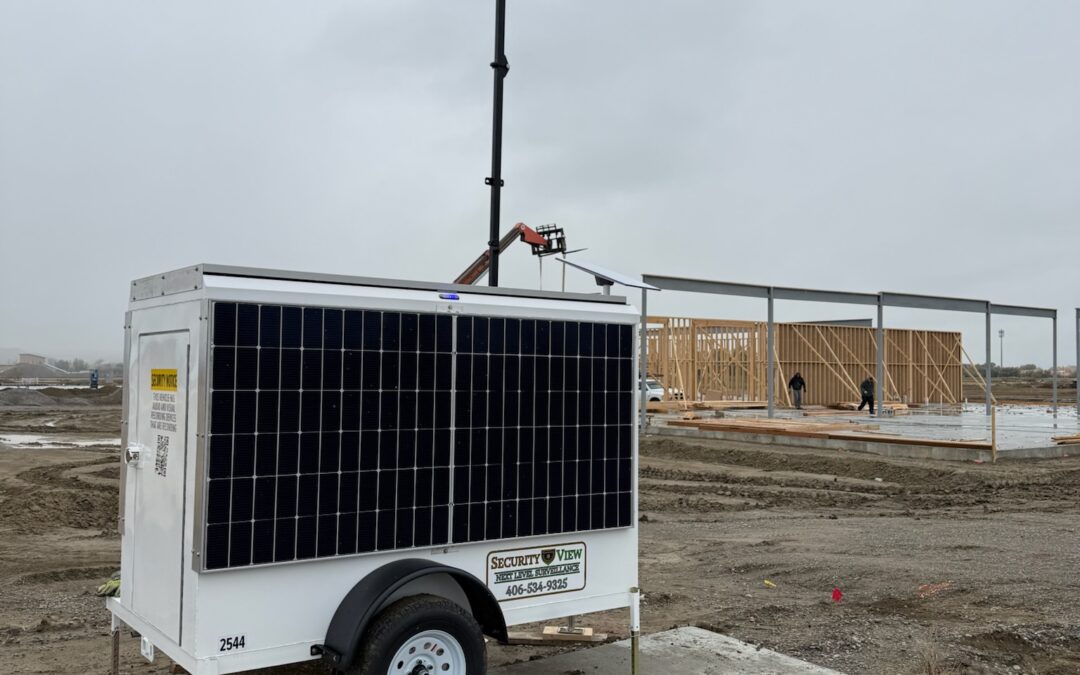
A parking lot can turn into a liability fast. One blind corner, one poorly lit row, or one overnight gap in coverage is all it takes for theft, vandalism, vehicle break-ins, or unauthorized activity to become a recurring problem. That is why many operators now look to a portable camera tower for parking lot security when fixed systems are too slow to install, too limited in reach, or too expensive to expand.
For property managers, retail operators, school administrators, event teams, and commercial site leaders, the appeal is straightforward. You need visibility now, not after a capital project clears. You need a system that can be deployed where incidents are happening, moved as risk shifts, and supported without creating a separate infrastructure problem. A portable tower does exactly that when it is selected and deployed with the site’s real operating conditions in mind.
Why parking lots are harder to secure than they look
Most parking lots appear open and simple, but security challenges build quickly once you account for real-world conditions. Vehicle traffic, pedestrian movement, changing light levels, weather exposure, multiple entry points, and inconsistent occupancy all affect how well a surveillance system performs.
A fixed camera mounted on a building may cover the front rows well but miss the outer edges, overflow parking, detached lots, loading zones, or temporary access lanes. If your lot layout changes for construction, seasonal traffic, tenant turnover, or special events, permanent cameras often stay pointed at yesterday’s problem areas.
That mismatch creates risk. Incidents in parking areas are rarely limited to one category. A site may need to deter loitering, document accidents, identify unauthorized entry after hours, and monitor employee or contractor movement in the same footprint. If lighting is weak or power access is limited, traditional expansion becomes slower and more expensive than most operators want.
What a portable camera tower for parking lot security actually solves
A portable camera tower for parking lot security gives you temporary or semi-permanent surveillance coverage without trenching, permanent poles, or a long installation timeline. That matters when response time is part of the security plan.
The biggest advantage is mobility. If a retail center sees more incidents near a side entrance, if a school needs extra oversight during summer work, or if a parking operator is securing a remote overflow lot, the tower can be positioned where visibility is needed most. You are not locked into a fixed field of view while conditions on the ground keep changing.
The second advantage is speed. Rental-based deployment is often the right fit when the issue is immediate. A property owner dealing with repeated vehicle break-ins does not want to wait through design revisions and construction schedules. A portable system can close a coverage gap quickly and start producing useful footage and alerts right away.
The third advantage is self-contained operation. Many towers are built to work in locations where utility power is limited or unavailable. For detached lots, temporary parking areas, event spaces, and redevelopment zones, that can be the difference between getting coverage and going without it.
The features that matter most in a parking lot
Not every mobile surveillance unit is equally suited for parking applications. Buyers should focus less on headline specs and more on how the system performs in a live operating environment.
Camera height matters because elevated views reduce blind spots and improve situational awareness across drive lanes, parking rows, and access points. A tower that gives broad visibility can often monitor more usable area than a low-mounted camera with a narrower perspective.
Night performance is equally important. Most parking lot incidents happen in low-light conditions, so image quality after dark is not optional. The same goes for integrated lighting in locations where better visibility also helps deter unwanted activity.
Real-time alerts are where many modern systems separate themselves from passive recording. AI-enabled analytics can identify motion, intrusion patterns, or activity in restricted zones and push alerts as events unfold. That allows site teams or monitoring partners to respond faster instead of discovering a problem the next morning.
Power configuration should also be part of the decision. Some sites need solar support, battery storage, hybrid power, or another off-grid option to maintain uptime. A tower that cannot reliably stay online under local conditions creates a false sense of protection.
When portable towers outperform fixed systems
Fixed surveillance still has a place, especially for long-term assets with stable layouts. But there are clear situations where a portable camera tower is the better operational decision.
One is during transitional periods. If a parking lot is under renovation, if traffic patterns are changing, or if a property is adding tenants, it makes little sense to rush into permanent infrastructure before the final layout is settled.
Another is incident response. When a site starts seeing catalytic converter theft, after-hours trespassing, illegal dumping, or vandalism in a specific section, a mobile tower can be placed directly in the problem zone. That targeted deployment often has a stronger deterrent effect than relying on distant building-mounted cameras.
Portable systems are also useful for seasonal demand. Holiday retail traffic, school events, stadium overflow parking, fairs, and temporary commercial use all create short-term security needs that do not justify permanent installation. In those cases, rental flexibility protects the site without tying up capital.
Placement is where results are won or lost
Even the best equipment will underperform if it is placed for convenience instead of coverage. Parking lots should be assessed based on incident history, traffic flow, lighting conditions, entry and exit patterns, and areas where people or vehicles can gather without easy visibility.
In some lots, the right placement is near the perimeter to monitor approach activity and discourage unauthorized entry. In others, central positioning creates better line of sight across rows and pedestrian routes. High-risk zones often include payment areas, isolated corners, loading spaces, stairwell exits, dumpster enclosures, and detached overflow sections.
There is also a trade-off between overt deterrence and discreet observation. A highly visible tower can discourage criminal activity simply by being present. That is often a strong choice for retail centers, schools, and public-facing properties. In other settings, operators may want placement that preserves broad observation while avoiding predictable behavior shifts around the unit.
A field-informed deployment plan matters here. The right provider should look at your lot as an operating environment, not just a place to drop equipment.
Monitoring, alerts, and response are part of the value
A camera tower does not create full protection on its own. The real value comes from what happens after detection.
If the system records clear footage but nobody reviews it until the next day, you may get evidence but still absorb the loss. Real-time notifications, live monitoring support, and clear escalation paths improve the odds of intervention before damage gets worse.
That is especially important in parking lots serving businesses with extended hours, rotating staff, or limited overnight personnel. A site supervisor cannot watch every feed all night, and most property teams do not have the bandwidth to manually monitor activity around the clock. Systems that pair AI-triggered detection with responsive support give operators more control without adding constant labor.
This is also where compliance and safety oversight can come into play. Surveillance in parking areas can support incident documentation, vehicle impact review, access control enforcement, and broader awareness of after-hours site conditions.
What buyers should ask before renting a tower
The right questions are practical. How quickly can the unit be deployed? What power options are available for this lot? How are alerts handled? What level of image quality should you expect at night? Can the tower be repositioned if incidents shift? What service support is available if conditions change or the system needs attention?
It is also worth asking whether the provider understands your type of property. A parking lot at a retail center operates differently from a municipal lot, a school campus, or a temporary event site. The best-fit recommendation should reflect actual use patterns, not a generic equipment pitch.
For many operators, this is where working with a provider like Security View LLC can make a difference. The value is not only in the equipment itself, but in matching surveillance, lighting, analytics, and power capabilities to the site’s real exposure points.
A better fit for changing risk
Parking lot security is rarely static. Traffic moves. Tenants change. Crime patterns shift. Construction starts. Events create overflow. Weather affects visibility. A security plan that cannot adapt usually leaves gaps.
A portable camera tower gives operators a way to respond without overbuilding, overspending, or waiting on permanent infrastructure. It adds visibility where it is needed, supports faster action when incidents develop, and helps protect people, vehicles, and property with more control than a fixed blind spot ever will.
If your lot has become a repeat problem area, the right move is not always a larger permanent system. Sometimes the smarter decision is flexible coverage that can be deployed quickly, powered reliably, and moved as risk changes. That is how parking lot security starts working like an operational tool instead of a delayed reaction.